
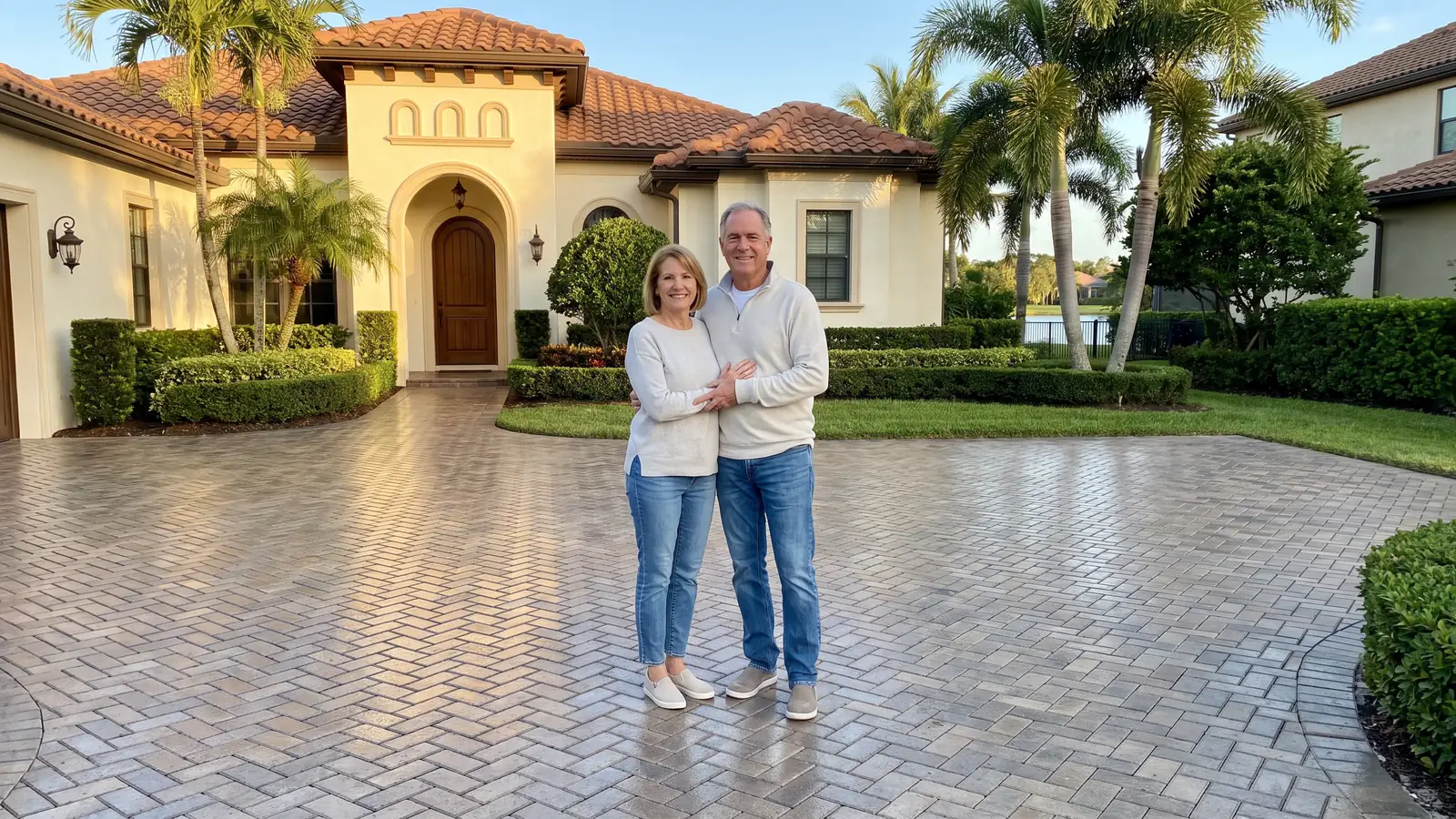
Paver sealing for Conway homes
Paver Sealing in Conway, FL
Near Anderson Road and the Conway lakes, pavers get wet summers, so call (689) 285-2720 for a free sealing estimate.
- Brings out deeper paver color
- Fresh joint sand helps lock pavers in place
- Gives weeds less room to grow
- Makes the surface easier to keep clean
- Free estimate, no obligation
Request a Free Estimate
Free, no obligation.
Fast, careful paver sealing in Conway
Paver sealing is open to homeowners across Conway, from Anderson Road, the old center of town, out along Conway Road. Pool decks, driveways and walks all get washed, re-sanded and sealed by a local contractor, and the estimate is free. Calls to (689) 285-2720 are returned within 1 business day, usually much sooner.
Think about the back patio by the pool. The joints have gone dark, the color has washed to a dull tan, and a few weeds stand in the corners. A clean, a fresh fill of sand and a new coat bring one steady color back across the whole deck. If you would like to say what you see first, you can book your free estimate and describe it.
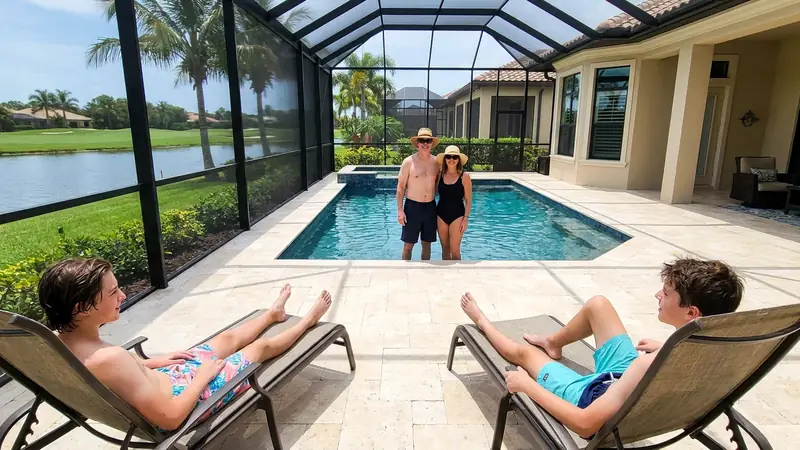
Why hire a local paver sealing contractor in Conway?
Local paver help makes sense in Conway, where lots run large, many homes have screened pools and the summers are wet. To hear how that fits your street, book your free estimate.
A free walk-around
The contractor looks over your Conway driveway, pool deck and walkways at no charge, and you hear the price before anything is agreed.
A range to hold against
Local companies list $1.50 to $3.00 per square foot for the full job. Compare any Conway bid with that range.
A finish for a wet deck
Pool decks stay wet, so ask about a finish with some grip. Matte hides scuffs better than a wet look, too.
No pressure to book
You choose the date and the finish. A Conway estimate is free and carries no obligation to hire anyone.
Get Your Free Estimate in Conway
Tell us about your pavers in Conway.
Free, no obligation
What paver problems show up most in Conway?
Wet summers and green film in the shade
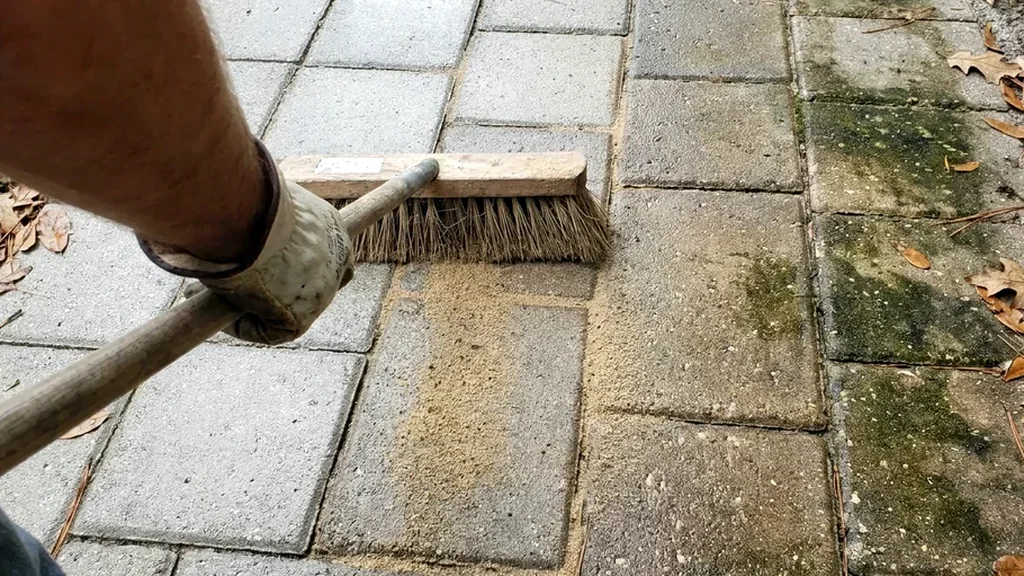
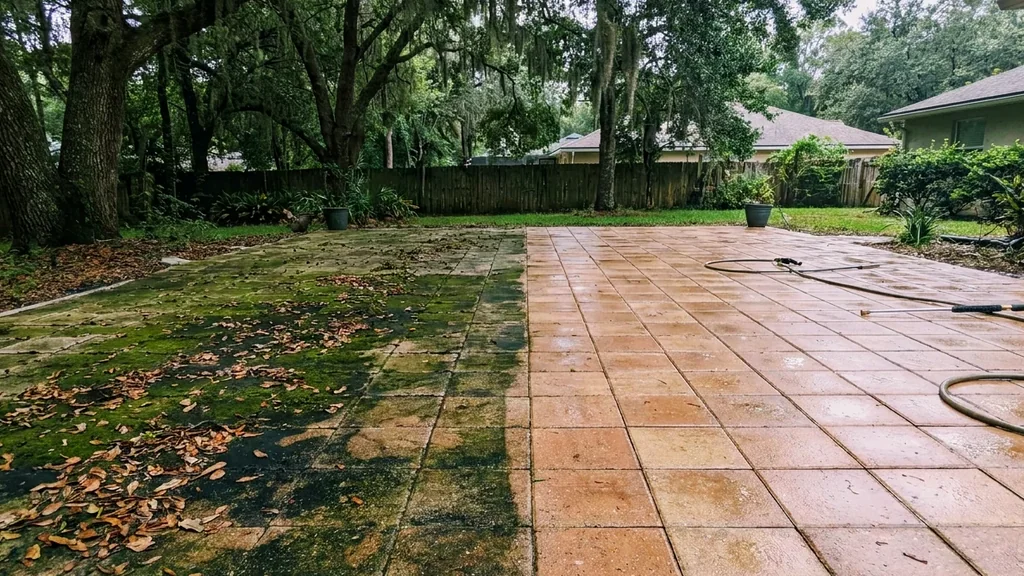
Orlando's rainy season runs from May to late October, and storms hit most summer afternoons. A paver patio under a tree or beside a lake can stay damp long after the rain stops. One Central Florida company says sprinklers feed mold on pavers. Green film means the surface needs a real wash before sealing, because sealer laid over mold only traps it. A shaded back corner is usually where the green shows up first, so look there.
Pavers added to a 1960s or 1970s ranch home
A guide to ZIP 32812 says most Conway homes were built between 1960 and 1990. That means most pavers here were added later, often by an earlier owner. Nobody may remember what sealer went on, if any. The contractor has to work out what product is on the surface, since water-based sealer cannot go over solvent-based sealer. A chalky or peeling look is a clue that an old coat is failing. Only 3.8 percent of the 5,464 housing units were vacant in 2020, so most Conway homes are lived in and their pavers are seen every day.
Pool decks that stay wet
Screened pools came with many of the 1970s and 1980s contemporary ranches. Water and pool chemicals hit that deck daily, and a Celebration paver company says this shortens the life of the coat compared with a driveway. Plan for the deck's coat to expire first. Ask for traction in the finish, since a wet deck should not be slick. If your pool cage drips onto the deck, mention that too.
Roots under big lots
Many Conway lots run 8,000 to 15,000 square feet or more, and mature trees come with them. Roots can lift pavers and leave a lip that catches feet and holds water. A Central Florida company says root-lifted pavers should be reset before sealing. Sealer over a lifted corner would only freeze the problem in place. Walk the yard before the visit and note any corner that has moved. Keep in mind that a reset paver needs time to settle before the final coat.
Orange stains from sprinklers
Most Florida well water is high in iron, the University of Florida says, and sprinklers fed by it leave orange stains. Look for rust-colored lines where the spray lands on your driveway or lanai. Sealer laid over rust would hold the marks in place, so stains are treated first. Some deep stains may not come out all the way, so ask what to expect. Turning the sprinkler heads away from the pavers keeps fresh marks from forming.
Does paver sealing differ across Conway's older neighborhoods?
It can, because Conway grew over several decades. One housing guide says most homes date from 1960 to 1990, and cinder block is common. Sub-areas include Conway Place, Lake Conway Woods, Gatlin Heights and the Conway Road corridor. Tell the contractor your subdivision and the year the house went up when you book your free estimate.
The early homes were Florida ranch houses with carports, and many owners later closed them in to make garages. Later contemporary ranches have bigger footprints, screened pools and two-car garages. A screened pool means a pool deck, which means pavers that stay wet much of the year. Call (689) 285-2720 and mention which style your house is.
Lots here often run from 8,000 to well over 15,000 square feet, so some driveways and patios are large. A bigger layout means more square feet, which moves the total even at the same rate. Tall trees on a big lot can shade pavers or lift them with roots, and that changes the prep. Describe your lot when you book your free estimate, and the estimate is free.
What does paver sealing cost in Conway?
Prices published in Central Florida cluster between $1.50 and $3.00 per square foot for a clean, sand and seal. A Conway driveway, pool deck and lanai add up fast on a big lot, so the total can surprise you. Heavy mold, root-lifted pavers and old sealer are the usual reasons a quote climbs. For a firm number for your pavers, book your free estimate.
Access matters too. A wide driveway off Conway Road is quick to work, while a back patio reached through a side gate takes more hauling. Ask the contractor to list the pool deck, driveway and walk as separate lines, so you can see where the money goes. Call (689) 285-2720 to talk it over, with no obligation to hire anyone.
| Paved area | Typical example | Clean, sand and seal |
|---|---|---|
| 300 sq ft | Small patio or walkway | $450 to $900 |
| 600 sq ft | Two car driveway | $900 to $1,800 |
| 1,000 sq ft | Large driveway or pool deck | $1,500 to $3,000 |
| 1,500 sq ft | Driveway plus pool deck | $2,250 to $4,500 |
Math based on the $1.50 to $3.00 per square foot that Central Florida paver companies published as of November 2026. Your contractor sets the actual price after seeing the surface. Repairs, leveling and stripping failed sealer are usually extra.
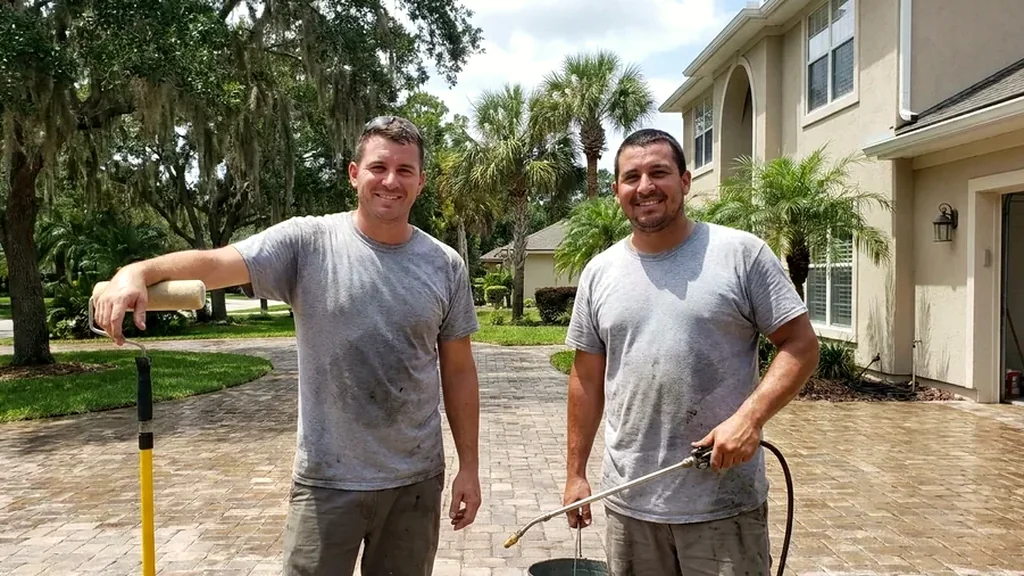
How does a paver sealing job work in Conway?
Look over every paved area
The visit starts with a lap around the house. The contractor checks the driveway, the pool deck, the lanai and any garden paths for lifted corners, dark joints and old coating. The goal is to learn what product is already on the pavers before choosing the next one. Share any history you know, such as when the pavers went in and who sealed them. Photos or old receipts help a great deal. A quick look at the garage floor line and the front steps also shows where water runs off. If your yard backs onto one of the lakes, mention the slope, since rinse water and runoff head that way.
Wash away mold and stains
Next the pavers get cleaned. Mold, mildew and sprinkler stains come off, and heavy dirt may need a second pass. Rinse water is kept away from the screen enclosure, the plants and the lake side of the yard. Some deep stains and old coatings may not fully lift, and the contractor should say so before the work starts. That honest check keeps surprises off the final day. A lakeside yard may drain toward the water, so rinse runoff is guided away from it.
Reset any lifted pavers
Low or root-lifted pavers are reset before sealer goes on. This is the moment to fix the lip near a tree or the dip by the garage. It adds time, so it helps to point these spots out at the first visit. A flat surface also drains better after a storm. Reset pavers need their joints topped off afterward. If a corner near a tree keeps lifting, say so, since the contractor may suggest a different fix. Reset pavers near trees get a second look after the first heavy rain.
Fill the joints and let everything dry
Washing removes joint sand, so fresh sand goes in and the surface is swept clean. Then comes the wait. Sealer needs a dry surface, and a Conway patio under trees dries slower than an open driveway. The contractor watches the forecast and the pavers, not the clock. If the sky turns, the job moves to the next dry morning. Pavers under a screen enclosure can stay damp longest, so they are checked last.
Seal in the finish you chose
The sealer goes on in your finish. One Orlando company says a matte finish usually lasts longer than a glossy one, and a wet look shows scuffs sooner. A job like this can take a couple of days depending on weather and size. Plan on about three hours before walking on it, and longer before cars or furniture. A second coat is sometimes offered on open driveways, and the choice is yours. On a pool deck, the finish is chosen for traction first and looks second.
Complete paver services in Conway
A sealing job in Conway begins with a wash and ends with sealer, with sand and drying in between. That order matters, since a coat over dirt or damp pavers turns cloudy and wears off early. A full job on a big lot can run a couple of days. To ask what your own timeline looks like, call (689) 285-2720.
Finish is the big choice. A wet look deepens color but shows scuffs sooner, and an Orlando company says matte usually lasts longer. Pool decks call for a finish with some grip, which is worth asking about up front. Your contractor can show samples on a spare paver, and you can book your free estimate to ask for that.
Conway lots hold several kinds of paving, and each one ages differently: tires and sun on the driveway, wet feet and chemicals around the pool, and shade on the lanai and garden paths. Each may need its own amount of prep. Tell the contractor about every one of them when you call (689) 285-2720.
Timing follows the rainy season, which runs from May to late October. Afternoon storms can push a sealing day to the next morning. The cooler, drier months make the schedule easier, though the pavers still must be dry before any sealer goes on. For a date that suits your street, book your free estimate.
Questions to ask before you hire
- Does my HOA need a certain color or sheen signed off before the work starts?
- What happens if my old sealer is peeling or cloudy?
- Will the afternoon storms in Central Florida change the day you seal my pavers?
- Do you put new sand in the joints after the wash, and which sand do you use?
- Can you seal my travertine and the pool deck in the same visit?
- Does the written estimate list the prep, the sealer and the number of coats?
- How do you treat the green algae in my shaded corners?
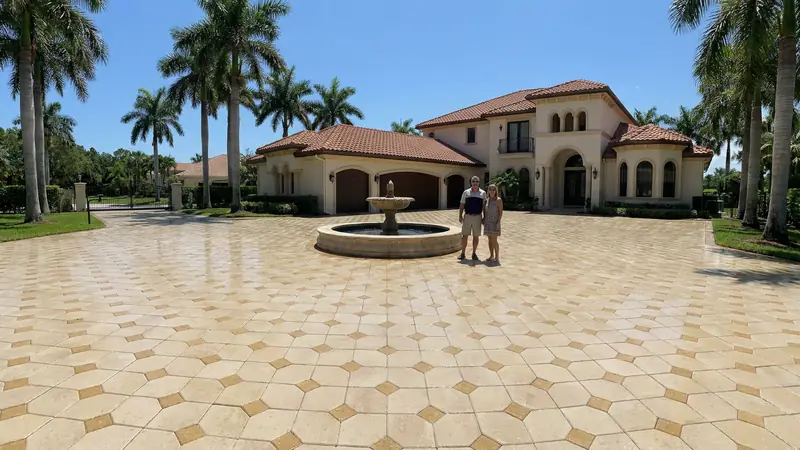
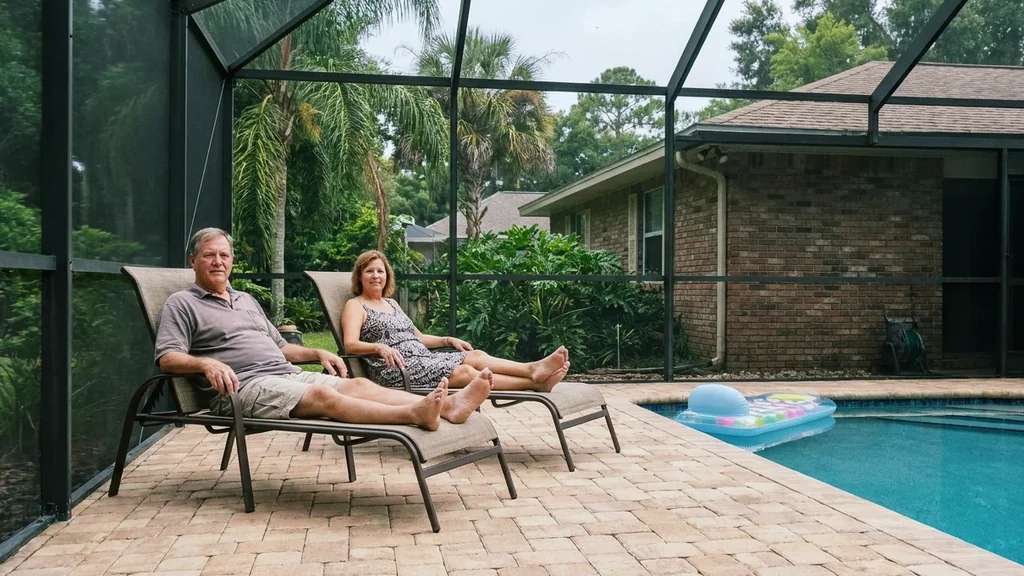
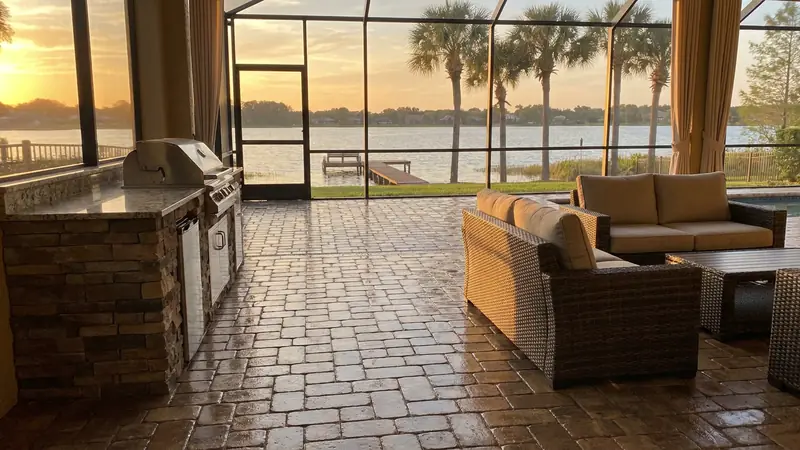
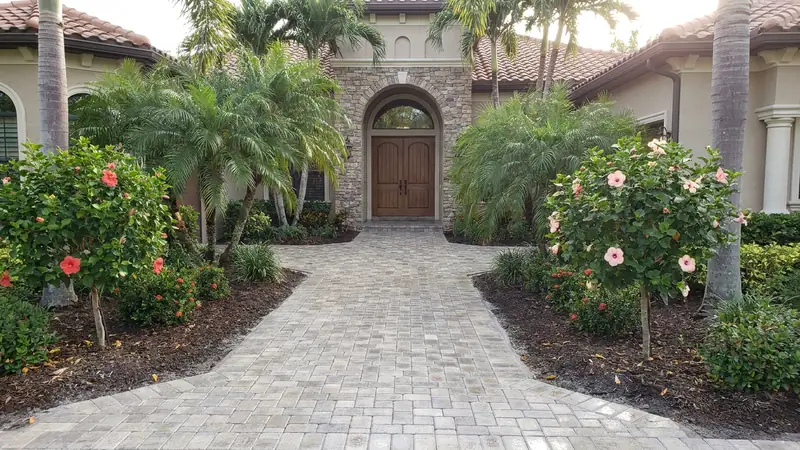
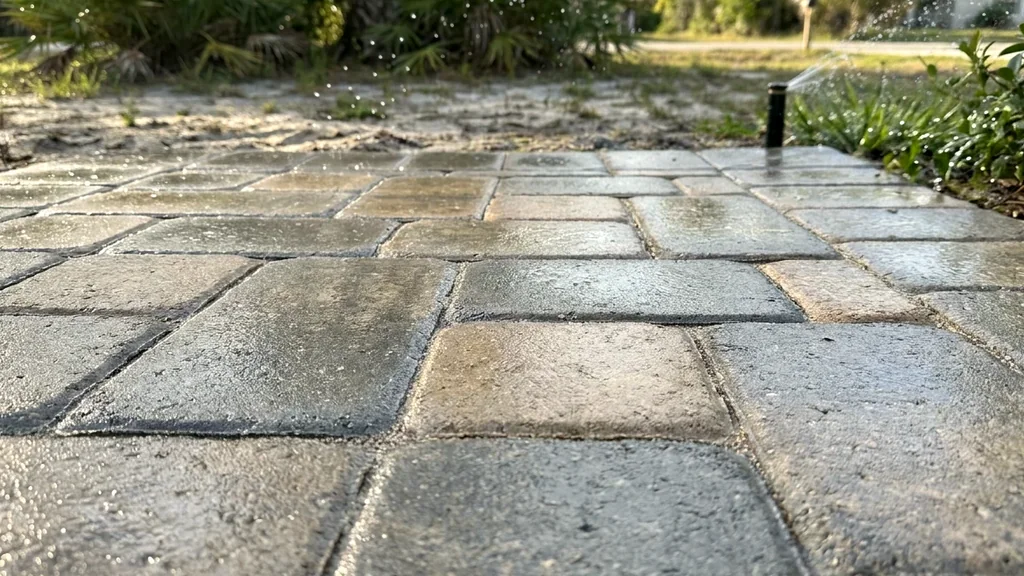
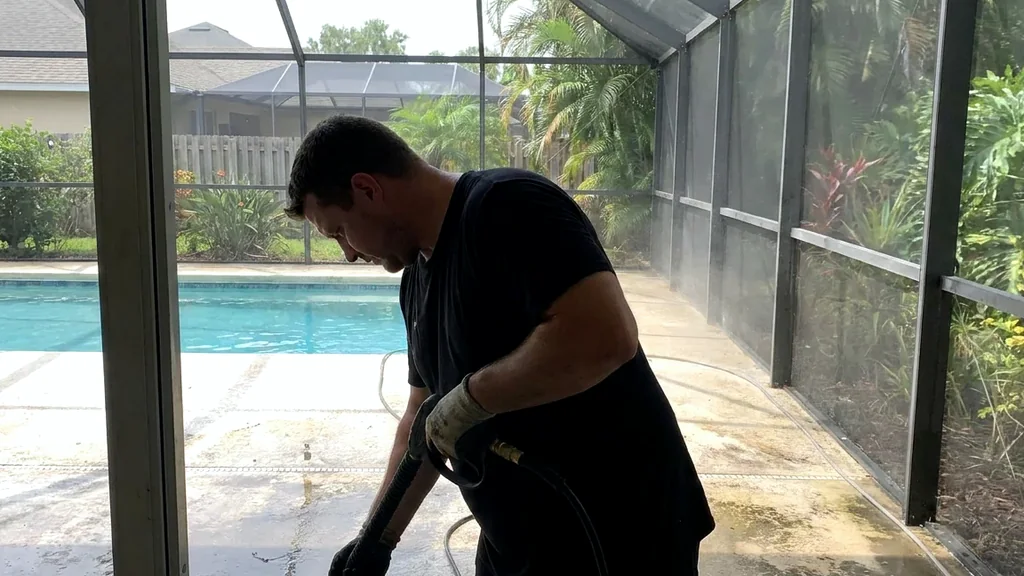
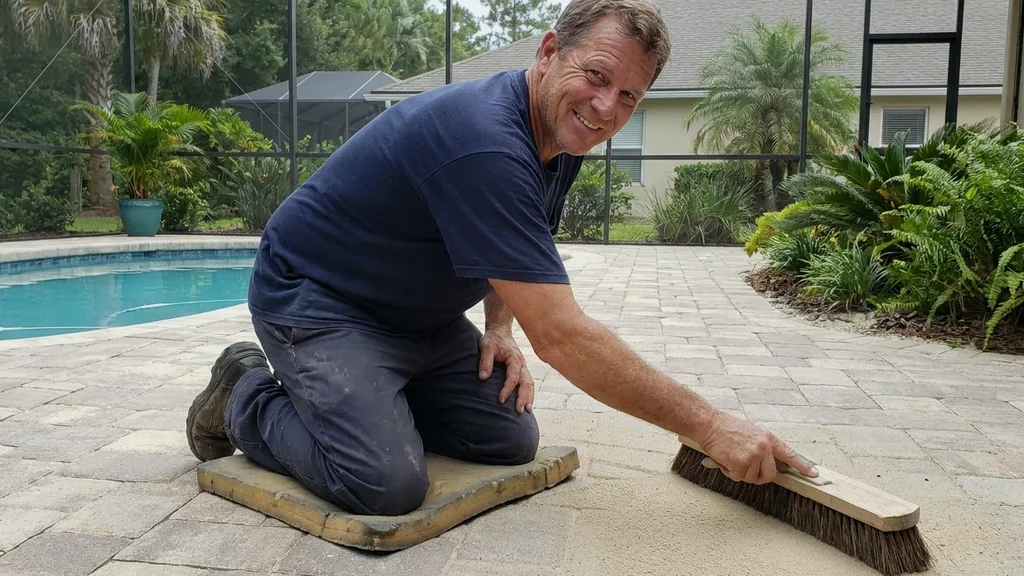
What do sealed pavers look like around Conway?
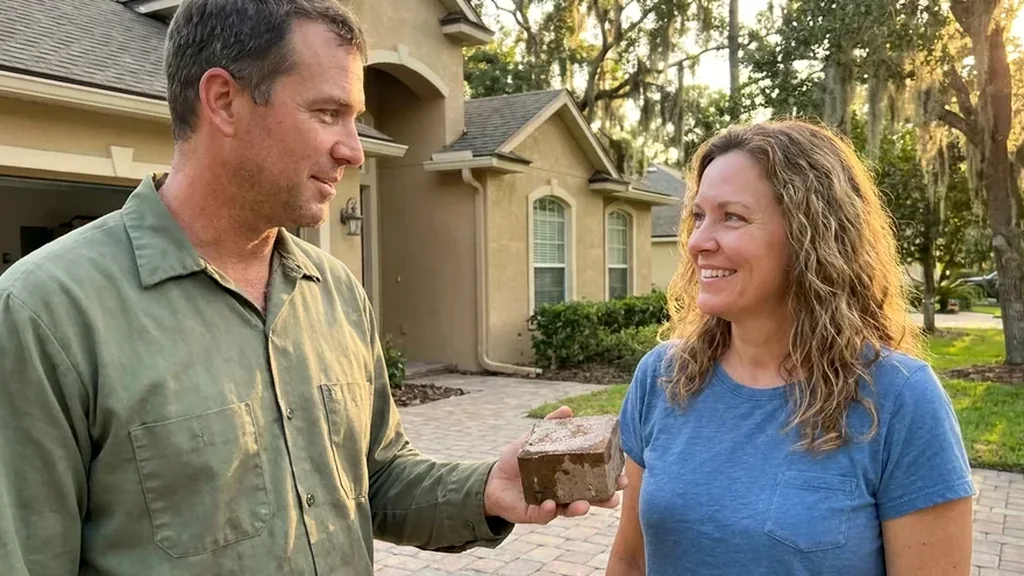
Why local matters in Conway
A contractor who knows Conway will ask about your lot first. Roots, shade and a slope toward the lake all change how pavers wear. Someone driving in from far away may skip those questions, which means surprises on the day. For a contractor who works around the Conway lakes, call (689) 285-2720.
Older ranch homes bring their own habits. A carport turned garage may now have pavers where a slab used to be, and no record of the sealer. A local contractor has seen this before and knows to find out what is on the surface first. You can book your free estimate and mention when the work was done.
Local knowledge shows up in the weather plan too. Orlando gets about 51 inches of rain a year, most of it from June to September. A crew that works here keeps a backup morning ready for sealing day. If that approach sounds right, book your free estimate and ask how scheduling works, with no obligation.
How old is Conway, and does it matter for my pavers?
Conway is an old Orange County community, settled in the 1850s. A brick road once ran from Orlando to Conway, along what are now Briercliff Drive, Curry Ford Road and Conway Road, ending at Anderson Road. That road was one of the first five paved highways in the county. If your home sits near Anderson Road, call (689) 285-2720.
Lake Conway took its name in 1843, when surveyor Benjamin Whitner honored Florida's Surveyor General, Valentine Yelverton Conway. Hoffner Avenue divides the north and middle lakes, and Nela Avenue divides the middle and little lakes. In 2000 the Crittendens gave Crittenden's Dock, at the end of Randolph Avenue, to Orange County for a public boat ramp. Anyone living by these lakes and roads can book your free estimate and say which street is theirs.
An oral history from Orlando Memory describes the lake as three bodies of water joined by canals, and says an original brick road ran out from Orlando's Central Park. A housing guide counts seven named lakes in the chain, about 1,800 acres in all, including West, Middle, East, South, Little, Gatlin and Margaret. Drainage and development in the 1900s split what seasonal rains once made one big lake. If you live along any of these shores, you can book your free estimate and tell the contractor which lake is closest.
Conway covers 3.6 square miles, and 4.7 percent of that is water. The 2020 census counted 5,464 housing units there, with only 3.8 percent vacant, and 51.8 percent of households were married couples. Settled streets mean many pavers have had a long time to wear and several owners to pick coats. Call (689) 285-2720 to walk through your situation.
Frequently Asked Questions
How much is paver sealing in Conway?
The usual published figure in Central Florida is $1.50 to $3.00 per square foot, covering the clean, sand and seal. A Conway job lands higher with heavy mold, lifted pavers or an old coat to remove. Have the quote list the total area in square feet so the math is easy to follow. A good estimate also lists the pool deck and driveway apart. The median age in Conway was 42.5 in 2020, and 17.3 percent of residents were 65 or older, so many owners like a written quote they can read at the kitchen table before anyone starts.
Is sealing pavers a good idea in Conway?
Yes for most Conway driveways and pool decks, since sealer slows fading and keeps stains from soaking in. It does need new coats over time, and it needs a dry surface to go on right. If your pavers are lifted or sunken, repairs come first. A free estimate will tell you whether yours are ready. Photos of the worst spots help the contractor quote it right.
What happens if pavers are not sealed in Conway?
One Central Florida company says unsealed pavers can fade, stain, chip or break down faster in the sun and rain. Joint sand also washes out more easily. A Conway driveway that stays unsealed still needs cleaning and fresh sand from time to time. Sealer just slows the wear. Shade, rain and sprinklers all speed that wear in a Conway yard.
How long does paver sealing last in Conway?
Companies usually say two to five years pass between coats. One Orlando-area company recommends repeating the job every three to four years. Pool decks tend to need a new coat sooner than a front walk, because of water and chemicals. Water that soaks in instead of beading is a sign it is time. Sun and tires shorten that span on a driveway, while shade can stretch it.
Can a Conway pool deck be sealed in the same visit as the driveway?
Often yes. A pool deck takes a different finish, usually one with more traction, and the visit can include the driveway when conditions allow. Splitting the quote by area lets you do the deck first and the rest later if you like.
Will sealing fix sunken or root-lifted pavers in Conway?
No, those need to be reset first. One Central Florida company inspects and resets uneven or root-lifted pavers before it seals. Point out the low spots near trees and the garage at the first visit. A tree root that keeps growing may lift the corner again someday.
Does a matte or wet look last longer on Conway pavers?
One Orlando company says matte usually lasts longer than glossy. A wet look deepens color, though scuffs show up faster on it. On a driveway that sees daily tires, matte is the calmer choice. A sample on a spare paver shows the difference before you pick. Matte also hides the tire marks that show up on a wet look.
Can a contractor seal over old sealer in Conway?
Not always. Water-based sealer cannot go over solvent-based sealer, so the contractor has to find out what is already on the pavers. A Celebration paver company says failing or hazy sealer is usually stripped or corrected before resealing. On a 1960s or 1970s ranch with later-added pavers, an unknown old coat is common.
Ready for a Free Estimate in Conway?
Call (689) 285-2720 and tell us about your pavers.
Free, no obligation